
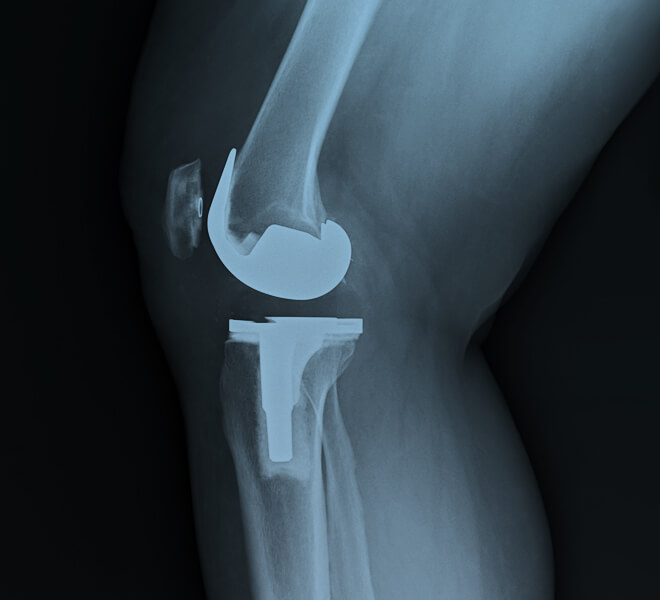
Knee Replacement Physiotherapy: What to Expect During Recovery
Recovering from knee replacement surgery takes time, dedication, and the right rehabilitation program. One of the most important parts of recovery is knee replacement physiotherapy, which helps patients regain strength, improve mobility, and safely return to daily activities.
Whether you are preparing for surgery or currently recovering, understanding the physiotherapy process can help you achieve a smoother and more successful recovery.
Why Knee Replacement Physiotherapy Is Important
A knee replacement is commonly recommended for people experiencing chronic knee pain caused by arthritis, injury, or joint degeneration. While surgery can significantly reduce pain and improve quality of life, rehabilitation is essential for restoring proper movement and function.
Knee replacement physiotherapy typically begins within 24 hours after surgery. Early movement helps reduce stiffness, improve circulation, and lower the risk of complications such as blood clots.
Working with a physiotherapist after knee replacement surgery can help patients:
- Improve knee flexibility and range of motion
- Reduce swelling and pain
- Rebuild muscle strength
- Improve walking ability and balance
- Return to normal daily activities safely
Early Recovery After Knee Replacement Surgery
The first stage of physiotherapy after knee replacement surgery focuses on gentle exercises and mobility training. During this phase, patients learn how to safely move the new knee joint while protecting the surgical area.
Common early physiotherapy exercises include:
- Ankle pumps to improve circulation
- Straight leg raises
- Gentle knee bends
- Bed mobility exercises
- Assisted walking practice
These movements are designed to reduce swelling, improve blood flow, and prevent stiffness in the knee joint.
Strengthening Exercises During Knee Replacement Rehabilitation
As healing progresses, knee replacement rehabilitation becomes more focused on rebuilding strength and improving stability. Muscles surrounding the knee — especially the quadriceps and hamstrings — are often weak after surgery.
A physiotherapist will create a personalized exercise program that gradually increases difficulty while supporting safe recovery.
Common strengthening exercises may include:
- Seated knee extensions
- Mini squats
- Step-ups
- Stationary cycling
- Balance and coordination exercises
Strengthening the muscles around the knee helps improve walking ability, posture, and overall joint stability.
Walking and Mobility Training
Learning to walk properly again is a key part of knee replacement physiotherapy. Most patients initially use a walker or crutches before transitioning to a cane and eventually walking independently.
Physiotherapists help patients improve:
- Walking mechanics (gait training)
- Balance and coordination
- Stair climbing ability
- Standing and sitting movements
- Confidence during daily activities
Mobility training helps patients safely return to household tasks, recreational activities, and independent living.
Managing Pain and Swelling After Knee Replacement
Pain and swelling are normal during recovery, but proper physiotherapy can help manage these symptoms effectively.
Treatment techniques may include:
- Ice therapy
- Compression
- Gentle stretching
- Manual therapy
- Guided movement exercises
Consistently following a home exercise program is one of the best ways to improve recovery outcomes and reduce discomfort.
Many patients also benefit from cold therapy systems such as the Aircast Cryo Cuff, which can help reduce swelling and pain after surgery. Cold therapy is often recommended during the early stages of knee replacement rehabilitation to improve comfort and support healing.
How Long Does Knee Replacement Recovery Take?
Every recovery is different, but most patients can return to light daily activities within six weeks after surgery. However, full recovery and continued improvement may take several months to one year.
Factors that influence recovery include:
- Overall health and fitness
- Consistency with physiotherapy
- Age and mobility before surgery
- Commitment to home exercises
- Surgical healing progress
Staying consistent with knee replacement physiotherapy is one of the most important factors for long-term success.
Setting Realistic Expectations
Recovery after knee replacement surgery is gradual. Some days may feel easier than others, and progress can vary between individuals. Regular physiotherapy sessions help patients stay motivated, improve steadily, and regain confidence throughout the rehabilitation process.
Patience and consistency are key components of successful recovery.
Final Thoughts on Knee Replacement Physiotherapy
Successful recovery after knee replacement surgery depends heavily on rehabilitation. Through guided exercises, mobility training, strength building, and pain management techniques, knee replacement physiotherapy helps patients regain independence and improve their quality of life.
By working closely with a physiotherapist and staying committed to the recovery process, patients can maximize the benefits of their knee replacement surgery and return to the activities they enjoy most.